You are currently viewing Aquarium 101: Halfmoon Betta Fish | A Tropical Fish Guide

Aquarium 101: Halfmoon Betta Fish | A Tropical Fish Guide

The half-moon betta fish is a fin variant of bettas originating from Thailand. Some also call this species ” the half-moon Siamese fighting fish.”

This fish is famous among aquarists and pet owners for its beauty, vibrant colors, ease of care, and bold personality.

My Feedback: Initially, I thought it was an overhyped trend from fellow aquarists. However, after comprehensive research, I realized that few fish can compare to Halfmoon Betta’s elegance and low-maintenance perks. 

Appearance & Color

You might wonder how Betta Fish got the ‘Halfmoon’ title. It all comes down to its tail; the fish’s semi-circle tail resembles a crescent moon, hence the name.

Along with the tail’s shape, this species also offers vibrant hues that range from red and blues to soft colors like pastels and pinks, making it a satisfying treat to one’s eye.

Natural Habitat & Origins

Most fish owners already know this: Bettas are a Southeast Asian gem. Halfmoon bettas are present in Thailand, Cambodia, Vietnam, and Laos.

The fish’s natural habitats are slow-moving water, rice paddies, and shallow ponds. Make sure your aquarium can replicate one of these environments. The water quality should be slightly acidic and warm (72-81 Fahrenheit) so the fish can thrive in the aquarium. 

Behavior & Personality

Now, onto their temperament: Bettas possess a strong and vibrant character. On the other hand, they are shy and friendly in demeanor.

You may have also heard that Bettas have a feisty personality, which is not entirely wrong. But, as far as I have witnessed, my half-moon Betta is peaceful with me. However, they can’t tolerate new people and new friends (especially male half-moon bettas) because of their aggressive and territorial nature.

Male V/S Female Halfmoon: Gender-Based Differences

I have had both genders of these species, and differentiating them is straightforward. In my opinion. Male halfmoon bettas have bigger fins and brighter color patterns than females.

They are also much more aggressive ( typical XY chromosome behavior).

On the other hand, females tend to have subtle hues and color patterns, and they are the peace-loving ones who mind their own business. You can also identify them from their smaller dorsal and tail fin. 

Possible Tank Mates

They can live happily in a tank with peaceful species that won’t threaten their dominance, such as:

  • Snails (e.g., Nerite Snails)
  • Peaceful tetras (e.g., Neon Tetras)
  • Corydoras catfish
  • Shrimp (such as Brine Shrimp or Amano Shrimp)

Life Span Of Halfmoon Betta

With proper care and favorable conditions, halfmoon betta fish can live up to 3-5 years or even more! Mine will be turning 4 in a few months, and here is what I can tell you about their health. 

Correct water parameters, diet, and regular tank maintenance are the only quick tips you can apply!

Halfmoon Betta Fish Types

The Halfmoon Betta is one of the most popular Betta fish types. And there are plenty of subtypes to choose from. The variations are divided into two main types: color variants and tail variants.

Tail Variety: Dumbo Halfmoon

Also called the Halfmoon elephant ear Betta, the dumbo Halfmoon has exaggerated dorsal and pectoral fins.

This gives them the effect of an elegant fish with overflowing fins and tails, ensuring an attractive appearance.

Rosetail Halfmoon

The distinguishing characteristic of a Rosetail Halfmoon betta is its elaborate tail fin.

The folds and ruffles in their tail fins are enhanced through selective breeding, giving the adults an appearance reminiscent of their flower namesake.

Twintail Halfmoon

True to its name, the twin tail halfmoon betta has a special characteristic: its tail looks like it has been split in the middle.

This gives it the effect of having two tails, earning its other nickname, “half moon double tail Betta.” On the whole, though, the tails of this Betta still form the distinctive 180-degree tail when flared.

King Halfmoon

This variety of Halfmoon Betta is more unique than most because it’s a tail variation on a different kind of Betta.

The distinctive characteristics of the king Betta include a larger body and smaller fin, which gives it a sleeker and more dangerous look than the traditional flowy-finned Betta.

Color Variety: Solid-Colored Halfmoon

Solid-colored Halfmoon Bettas are very popular, both among hobbyists and breeders.

Just as its name suggests, Halfmoon Bettas of this type have a single solid color throughout their body.

Some of the most popular in this variety are the red Halfmoon Betta, white Halfmoon Betta, and blue Halfmoon Betta fish. There are also pure metallic colors, such as silver and bronze.

The colors that these Halfmoon Bettas display are typically very vibrant, although they might not be equal across the body.

Bi-Colored Halfmoon

In contrast to the solid-colored Halfmoon Betta, the bi-colored sports two colors throughout its body. It’s one of the most common patterns you can see in Bettas, but they can still create striking patterns widely appreciated in the aquarium world.

Dragonscale Halfmoon

This is a relatively new variant of Halfmoon bettas, attained by breeding wild Betta Mahachaiensis genes into regular aquarium Bettas. The result is bright, thick scales that look like dragon armor on the body of a halfmoon betta.

The results of this breeding are particularly striking, making dragon Bettas very sought-after in the Betta world.

Marble Halfmoon

The marble halfmoon betta fish has marble-like coloration, characterized by light body colors highlighted with vivid irregular patches of color.

This type of Betta fish is known to change its colors throughout the years, with bright patches of color developing from otherwise plain Betta body scales. The change can happen over months or years.

Marble Halfmoon Bettas have an interesting coloration and can complement any Betta tank look.

Koi Halfmoon

Like the marble pattern, the Halfmoon Koi Betta also sports many different and irregularly shaped colors.

The only difference is that they’re colors that we would normally associate with koi, such as orange, white, black, and gray.

Mustard Gas Halfmoon

This color form of a Halfmoon Betta fish is another sought-after variety among Betta enthusiasts.

Mustard gas is a bi-color variety typically characterized by a combination of mustard yellow and another dominant color, often black, red, white, or blue.

Their body and the outer edge of their fins and tail are typically a solid dark color, often black. On the other hand, the mid-area of their fins and scales is the characteristic mustard-yellow color that gave this variety its name.

The mustard gas variety is also relatively rare and difficult to attain in breeding.

Butterfly Halfmoon

The butterfly halfmoon betta has a similar pattern to mustard gas Bettas; its tails and fins typically sport two colors, one light and one dark. Its bodies are typically solid-colored with strikingly bright scales of blue, purple, red, and more.

They earned their name from the fanciful colors they sport, looking like butterflies.

Taking Care Of a Halfmoon Betta Fish

Before you decide to get halfmoons, you’ll need to study the most important factors involved in their care: 

Water Parameters

Halfmoon Betta fish tend not to be demanding regarding water parameters. However, there are still certain guidelines that you must understand regarding their ideal water parameters.

Temperature: 76-82°F (24-28°C)

pH:5-7.5

Hardness: Soft to moderate

Ammonia: 0 ppm

Nitrite: 0 ppm

Nitrate: Less than 20 ppm

Tank Requirements: Size & Setup

Setting up the ideal fish tank for any species you pick is the bare minimum. The ideal tank size and it’s setup is described in the table below:

  • Tank Size: A tank with a capacity of at least 5 gallons is recommended to provide ample swimming space for these active fish.
  • Filtration: Use a gentle filter to maintain water quality, as Halfmoon Bettas prefers slow-moving water. Consider adding plants and decorations to provide hiding spots and enrichment.
  • Heating: Halfmoon Bettas are tropical fish and thrive in moderately warm water with temperatures between 78-80°F (25-27°C). Use a reliable heater to maintain a consistent temperature in the tank.

Tank Habitat

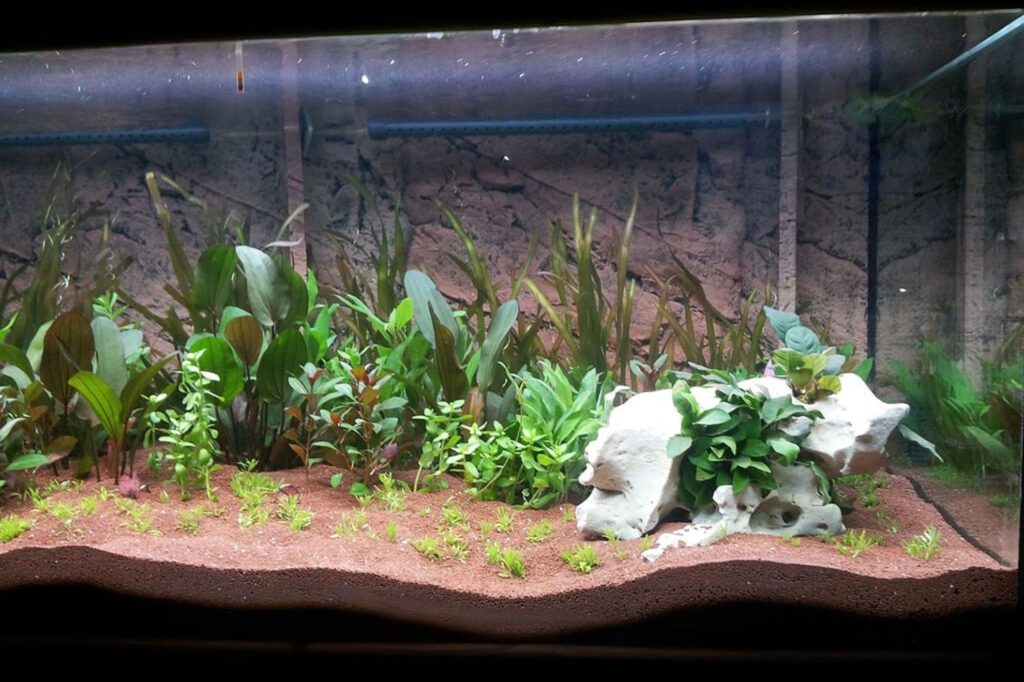
Regarding the tank habitat, the water should be neither too warm nor too cold. The temperature should be maintained between 72° and 81° Fahrenheit.

Moreover, half-moon bettas like calm water without rapid movement or a strong current. So, ensure you keep the water flow to a minimum level with a gentle current that must not agitate the water too much.

Diet & Feeding

diet and feeding of fish

In your aquarium, you can ensure that your Bettas stay healthy, and you must provide them with various types of food. These are some examples that you can easily find at your local pet store:

  • Betta Pellets or Flakes: Commercial Betta fish food is a balanced diet that provides all the necessary nutrients for your Betta to be healthy.
  • Live or Frozen Food: Your Betta will appreciate a high-protein diet, so keep feeding them treats such as brine shrimp, daphnia, or bloodworms.
  • Vegetables: Bettas will also eat vegetables, such as blanched lettuce, spinach, or peas, as long as they’re soft enough. They also need these vegetables for vitamin intake and digestion help.

Breeding Halfmoon Betta

Breeding male bettas as well as female Halfmoon bettas is no chore. Here are the simple steps to breed any variety of bettas:

  1. Select Your Breeding Pair: Choose a healthy, sexually mature, and diverse genetics pair so that it births the same types of offspring too.
  2. Set Up a Separate Breeding Tank: You must set up a separate tank or container that has the proper water parameters and temperature to breed a betta.
  3. Condition the Pair: Provide high-quality food and maintain optimal water conditions for 2-4 weeks before breeding to ensure the pair is healthy and free of diseases or defects.
  4. Introduce the Pair With Each Other: Gradually acclimate the male and female to each other’s presence and monitor their behavior.
  5. Nest Building: When the pair is ready to mate, the male usually builds a bubble nest at the water’s surface, which the female uses for laying her eggs.
  6. Spawning: The female will lay her eggs in the nest, and the male will fertilize them. The male will then care for the eggs and fry.
  7. Raise the Fry Fish: Your main job now is to provide proper nutrition and water conditions for the fry fish and protect it from possible predators and diseases.

Common Diseases and Infections 

When I mentioned ” disease ” above, I am sure it must have popped into your head what I meant by that and what possible diseases a half-moon betta can catch. Well, here is a list of the most common ones. If your half-moon betta gets any of these, it will require specific care, or it might as well die.

Fin Rot

Fin rot is an unpleasant-looking disease. This bacterial infection attacks your fish’s fins, and you may be alarmed to see red and white patches appearing at the edges of your fins.

If you have tankmates, it’s best to remove your fish to a separate tank and treat it with over-the-counter antibiotics as soon as possible. However, if your fish is housed alone, you can add these to the tank it is already in.

Velvet

The parasite piscinoodinium causes velvet disease and is important to diagnose in the early stages. It can be a reason your betta fish is not eating, but you will also see your fish rubbing itself against the sides of the tank or objects like rocks and driftwood.

Ich (White Spot Disease)

Ich, or Ichthyophthirius multifiliis, is a common parasite that can infect many freshwater fish, including bettas. 

People often call it “white spot disease” because it shows up as tiny, white dots that look like grains of salt on the fish’s body, fins, and gills. These spots can be alarming; if your betta has them, it’s a sign that something’s wrong.

This parasite spreads quickly, especially in aquariums with poor water quality.

Buying a Halfmoon Betta

If you have decided to buy a betta until now, then ensure you look for these signs in the pet store you are in for. They will also determine how successful your purchase will be and how healthy your betta fish will turn out.

  • Are the bettas living in little cups or bowls? If so, this is not a good place to buy your fish. They must be kept in community tanks, and the shop owner’s lack of concern shows he doesn’t care about the fish he is selling.
  • Are the fish active, colorful, and living well with other fish in the community aquarium? If so, then this store knows what it is selling.
  • If you buy a fish online, look for an experienced dealer or breeder. Ask them about the conditions in which they keep the fish and how they will ship the live fish to you.

Choose a Halfmoon Betta For Your Aquarium

In conclusion, Halfmoon Betta is not too complicated to maintain. But yes, it does have certain requirements like any other pet. Even as a beginner pet owner, you must be prepared for something. You can’t just expect a living, breathing organism not to demand anything.

Apart from that, rest assured that if you follow all of the guidelines above, especially with regard to water parameters and tank conditions, the halfmoon betta will do very well in your home aquarium.

Leave a Reply