Yes, fish like music, and interestingly, fish species respond to music. However, not in a way humans responds to music. Several experiments have been conducted to study this fascinating phenomenon.
I have discussed two major experiments done in reputed universities. The experiments’ conclusions suggest that a certain type of music actually made the fish respond to it.
Goldfish and Bach Experiment
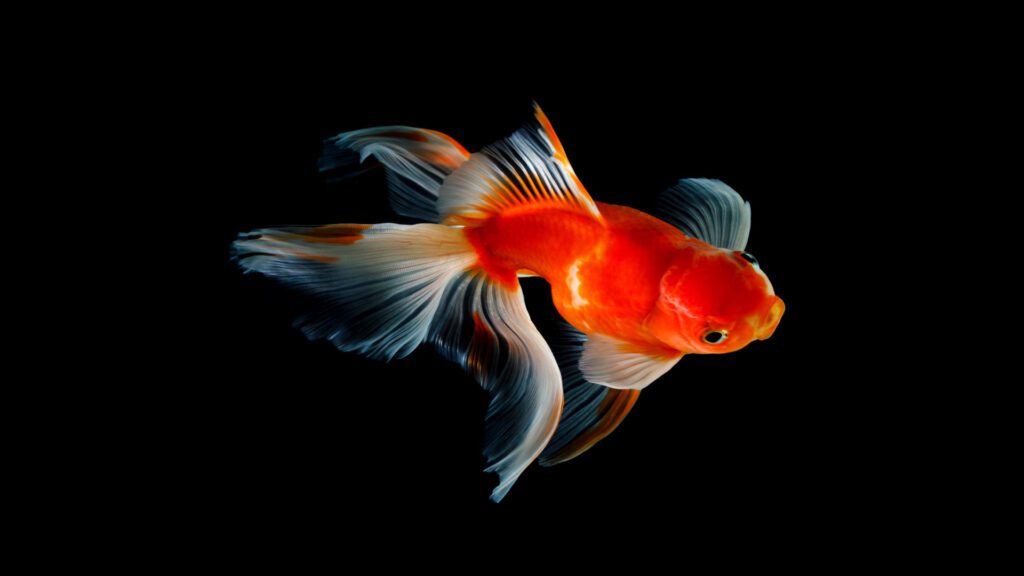
Researchers at Keio University in Japan studied fish behavior when listening to music. At first, they trained Goldfish by presenting food with Bach music in the background. They selected Bach music because they observed that most pond keepers love to play it.
After some time, they switched the music and played Stravinsky. To their surprise, the Goldfish didn’t even touch the food.
The researchers concluded that the Goldfish has the ability to differentiate between two composers. The Goldfish consider food to be a reward that comes with the Bach’s music.
Zebra Danio Music Study
Brazilian researchers conducted another study at the University of Passo Fundo. The main aim of the study was to determine what music fish react to. The experiment was done in fish tanks and aquatic farms.
A significant change in reaction to music was observed between classical music and the loud music genre (rap music). Also, a clear difference was noticed between fish in tanks and fish in farms.
The type of music played changes the swimming patterns of the fish. Fish tank species adapted the classic music as a soothing sound, whereas loud music makes them stressed.
How Fish Hear Under Water?

Fish don’t have ears, but can perceive sound using different organs. They can feel the vibration of sounds via bladders, accelerometers, otoliths, and a combination of all these organs.
Does Sound Travel Underwater?
Yes, sound travels under water. The misconception that sound may not travel under water should be disregarded, as many studies have proved otherwise.
Although, it is true that sound under water is indeed muffled because of the density of the water. The intensity of the sound reduces underwater. If you are swimming under water, and someone calls you, you’ll feel the vibrations of the sound.
Final Thoughts
Well, the study results don’t mean that fish start dancing when listening to music. They get conditioned to it. They expect a similar reward every time they listen to the same music.
All you need to know is to avoid loud music near your pet fish. They might be disturbed, feel stressed and might boycott eating food altogether.